Old World Charm vs. Modern Clean Lines: Which Stone Patio Design Fits Your Clayton or Webster Groves Home?
St. Louis Stone & Brick • November 24, 2025
Designing the perfect outdoor living space is a balancing act between architectural integrity and personal expression. For homeowners in historic and affluent neighborhoods, the decision often boils down to two distinct aesthetic philosophies: the rustic, enduring appeal of Old World charm or the sophisticated minimalism of modern clean lines. At St. Louis Stone & Brick, we believe your paver patio should not only serve as a functional extension of your living area but also as a testament to skilled craftsmanship that compliments your home's unique character.
Whether you reside in a stately Tudor in Clayton or a charming Arts and Crafts bungalow in Webster Groves, choosing the right hardscape design requires a technical understanding of materials, laying patterns, and masonry techniques. In this comprehensive guide, we will dissect the technical and aesthetic differences between these two dominant styles to help you determine which stone patio design best suits your property.
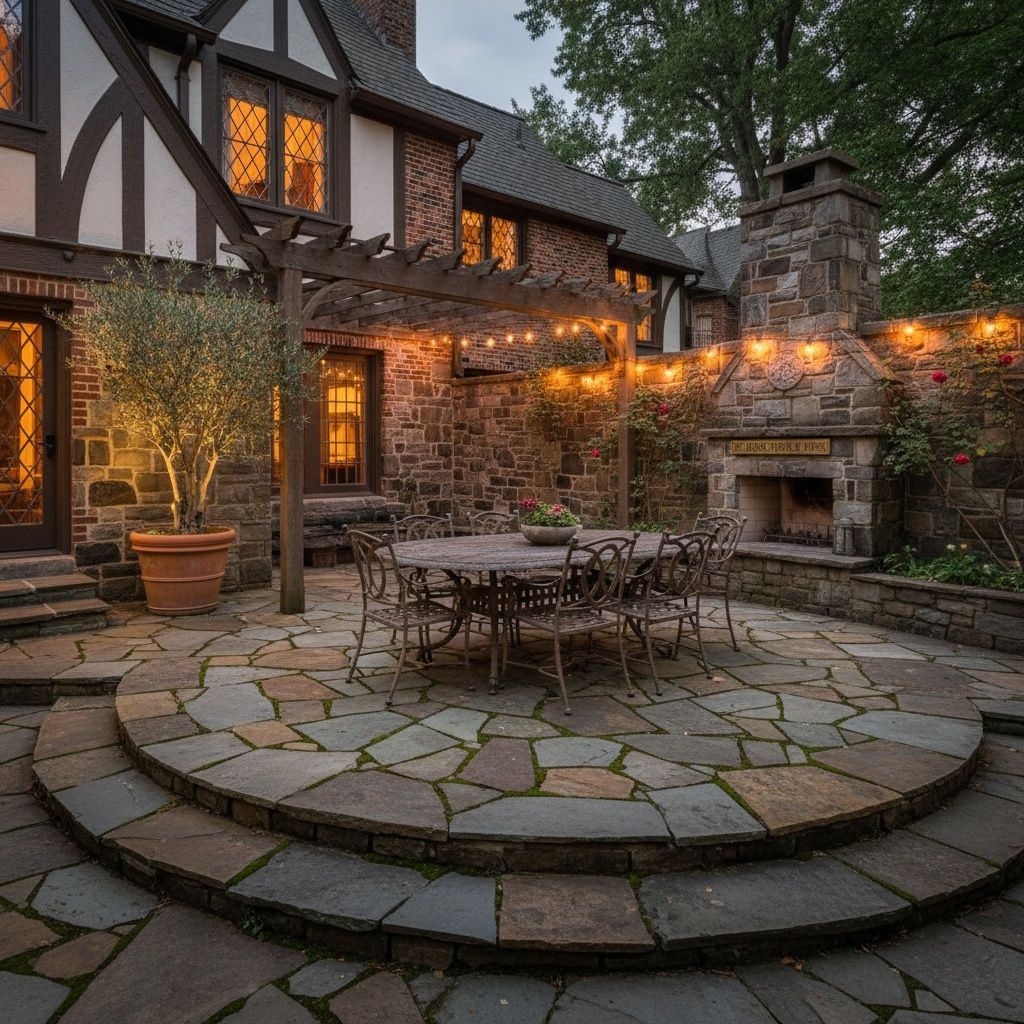
The Essence of Old World Charm: Texture, Warmth, and History
Old World design is rooted in the masonry traditions of Europe. It celebrates the imperfections of natural materials and the "hand-hewn" look that suggests a structure has stood the test of time. This style is particularly effective in St. Louis, a city with a rich history of brick and stone architecture.
Material Selection and Surface Texture
To achieve an authentic Old World stone patio design, the selection of materials is paramount. We often utilize tumbled natural stones such as limestone, travertine, or cobblestone. The "tumbling" process softens the sharp edges of the stone, creating a worn, antique appearance.
- Natural Stone: Irregular flagstone patterns are a staple here. The organic shapes prevent the eye from following a rigid grid, encouraging a more relaxed visual flow.
- Clay Pavers: Traditional clay bricks with a high degree of color variation (flashing) add warmth and depth.
- Texture: High-texture surfaces, such as cleft slate or chiseled limestone, provide slip resistance and catch the light in dynamic ways, emphasizing the material's density.
Laying Patterns and Jointing
Technical execution in Old World masonry involves specific jointing techniques. Unlike modern designs which favor tight, invisible joints, traditional stonework often embraces wide mortar joints. Using a standard running bond, herringbone, or a random ashlar pattern reinforces the traditional feel.
For a truly rustic look, we may employ permeable jointing sand or even encourage moss growth between stones in low-traffic areas to integrate the hardscape with the surrounding garden. This approach mirrors the European style stonework that inspired many of St. Louis's historic neighborhoods.
The Modern Aesthetic: Geometry, Precision, and Minimalism
In contrast, a modern stone patio design is defined by what is absent: clutter, ornamentation, and irregularity. It relies on the honest expression of materials and rigorous geometric discipline. This style is increasingly popular for homeowners undertaking contemporary renovations or new builds
Linear Precision and Large Formats
Modern stone patios prioritize scale and continuity. The current trend leans heavily toward large-format pavers slabs that can exceed 24x24 inches. These large units minimize the number of joints, creating a seamless, expansive surface that makes smaller outdoor spaces appear larger.
- Material Types: Thermal bluestone, polished granite, or high-density concrete pavers with architectural finishes are preferred.
- Edge Treatment: Modern stones feature "sawn" or "rectified" edges. This means the stone is cut to exact dimensions with 90-degree corners, allowing for ultra-tight joint spacing (1/8 inch or less).
- Monochromatic Palettes: The color schemes are often cool, greys, charcoal, and deeply saturated blacks, which contrast beautifully with vibrant green landscaping.
The Role of Negative Space
In modern hardscaping, the layout is often rectilinear. We frequently use grid patterns (stack bond) where joints align perfectly in both directions. Another hallmark of modern design is the use of "steppers" separated by decorative gravel or river rock, creating a permeable paver walkway that emphasizes the separation between elements rather than their connection.
Neighborhood Context: Clayton vs. Webster Groves
Understanding the architectural vernacular of your neighborhood is crucial when investing in a new stone patio design. While personal taste is important, a design that fights against the architecture of the home can feel disjointed.
The Clayton Aesthetic: Stately Elegance
Clayton is renowned for its grand architecture, featuring substantial brick and stone facades. Here, patio designs often need to carry a certain visual weight to balance the home.
- Old World Fit: A tumbled limestone patio with a heavy stone balustrade fits seamlessly with Colonial Revival or French Provincial homes.
- Modern Fit: For mid-century modern homes in Clayton, a sleek, raised stone deck utilizing smooth limestone caps and horizontal lines creates a sophisticated transition from indoor to outdoor living.
The Webster Groves Aesthetic: Eclectic History
Webster Groves is characterized by its century-old trees and diverse historic housing stock, from Victorians to Craftsman cottages. The vibe here is often more organic and community-focused.
- Old World Fit: A brick courtyard or a meandering flagstone path aligns perfectly with the "secret garden" feel of many Webster properties. Incorporating a rustic fire pit with a chiseled capstone serves as a natural gathering point.
- Modern Fit: Modernity in Webster Groves often manifests as "Transitional" design, blending the old with the new. Imagine a traditional brick home paired with a clean-lined concrete patio featuring brick borders to tie the new hardscape back to the existing structure.
Complementary Masonry Features
A patio does not exist in a vacuum. The vertical elements surrounding it dictate the overall atmosphere.
Retaining Walls and Seating
For an Old World design, a retaining wall creates a sense of enclosure, akin to a courtyard. We recommend using a dry-stack appearance or random rubble stone brick veneer to enhance the rustic vibe.
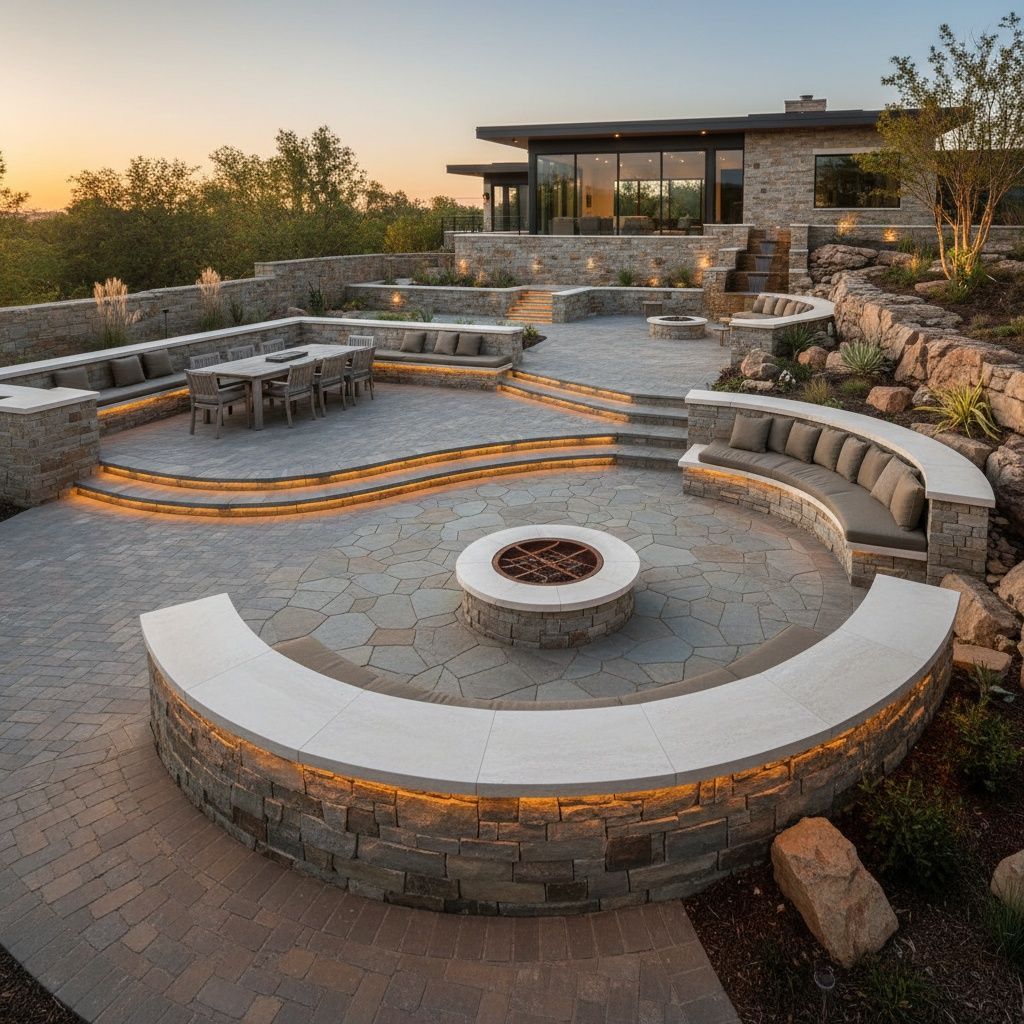
Conversely, modern walls serve as architectural boundaries. They are often rendered in smooth stucco, poured concrete, or stacked stone with a very tight, linear profile. These walls often double as built-in seating, eliminating the need for bulky furniture.
Outdoor Kitchens and Features
Functionality drives design in outdoor kitchens.
Traditional: Focuses on natural stone cladding, copper accents, and wood-fired pizza ovens constructed from brick.
Modern: Features waterfall granite countertops, stainless steel cabinetry, and linear gas burners.
Expert Tip: The Transitional Compromise
Can't decide between the two? Consider a "Transitional" design. This involves using modern, clean-lined pavers but laying them in a traditional pattern (like herringbone), or using rustic materials (like brick) but utilizing them in a modern, linear layout. This hybrid approach is excellent for renovating historic homes where you want to update the functionality without insulting the heritage.
Technical Considerations for Longevity
Regardless of the style you choose, the durability of your patio depends on what lies beneath the surface. St. Louis experiences freeze-thaw cycles that can wreak havoc on poorly installed masonry.
- Excavation and Base: We typically excavate 6 to 8 inches for pedestrian patios to install a compacted aggregate base. This ensures proper drainage and prevents heaving.
- Drainage: Old World cobblestone offers natural permeability. Modern large-format slabs require carefully calculated pitch (slope) to ensure water runs off effectively away from the foundation.
- Edge Restraints: Essential for pavers to prevent horizontal spreading over time.
Frequently Asked Questions
Is a modern stone patio design more expensive than a traditional one?
Generally, modern designs can be slightly more expensive due to the cost of large-format premium stones (like large bluestone slabs) and the labor intensity required to handle heavy units and achieve perfect, tight joints. However, intricate Old World mosaics or cobble patterns can also be labor-intensive.
Can you perform masonry work in winter in St. Louis?
Masonry work involving mortar requires specific temperatures to cure properly. While we can perform demolition and preparation in colder months, laying stone with mortar is best done when temperatures are consistently above freezing. Dry-laid paver systems offer more flexibility in scheduling.
Which style increases property value more in St. Louis?
Both styles add significant value if they are architecturally appropriate for the house. A mismatched patio (e.g., ultra-modern concrete on a Victorian home) can actually detract from appeal. Context is key.
Conclusion
Whether you are drawn to the romanticism of a European villa or the serenity of a contemporary retreat, the success of your stone patio design lies in the execution. Your home in St. Louis, be it in Chesterfield, Ladue, or University City, deserves a hardscape that reflects its quality.
Ready to transform your outdoor living space?
At St. Louis Stone & Brick, we blend Old World craftsmanship with modern techniques to create enduring beauty. Do not leave your investment to chance.
Click here to contact us today for a consultation and let us design a patio that perfectly fits your lifestyle and your home's architecture.
St. Louis Stone & Brick: Your Guide to Timeless Materials