How to Prioritize Your 2026 Masonry Budget for the Highest ROI
St. Louis Stone & Brick • December 17, 2025
As we approach the end of 2025, homeowners across St. Louis are meticulously reviewing their property portfolios and finalizing their renovation budgets for the upcoming year. With 2026 on the horizon, the real estate market is shifting towards long-term hold strategies, making the perennial debate between necessary maintenance and aesthetic enhancement even more critical.
Should you invest in the structural necessity of repointing your brickwork, or is it finally time to install that luxury hardscape? Prioritizing your masonry budget requires a nuanced understanding of Return on Investment (ROI) both financial and structural.
At St. Louis Stone & Brick, we believe that informed homeowners make the best custodians of historic and modern properties alike. This guide breaks down the technical and financial merits of major masonry investments tuckpointing, stone veneer, patios, and retaining walls to help you determine where your capital should flow in 2026.
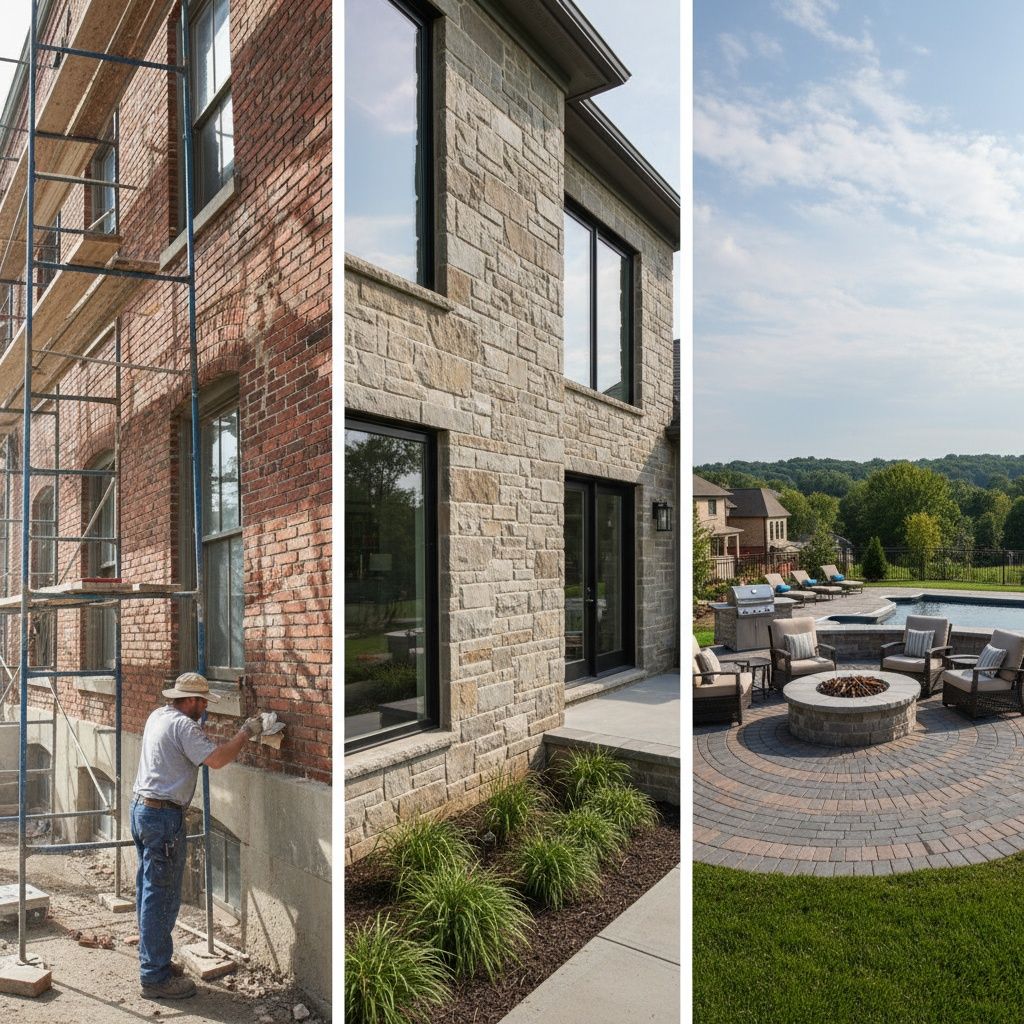
1. The Critical Baseline: Tuckpointing
When discussing ROI, most homeowners immediately think of resale value or "wow factor." However, the highest ROI often comes from preventing catastrophic loss. If your home possesses aging masonry, tuckpointing is not merely a cosmetic choice; it is a structural imperative.
The Technical Reality of Mortar Decay in Missouri
St. Louis weather is notoriously tough on masonry. The constant freeze-thaw cycles we experience from December through March wreak havoc on rigid materials. Mortar is designed to be the sacrificial element of a wall, It is softer than the brick or stone it binds.
Over decades, this mortar absorbs moisture, freezes, expands, and eventually crumbles. When these joints crack or recede, water infiltrates the wall cavity. This leads to spalling (where the face of the brick pops off), mold growth behind drywall, and compromised structural integrity.
The Importance of Material Matching
One common mistake DIYers or inexperienced handymen make is using high-strength cement (like Type S) on historic St. Louis homes. Many properties in University City or Webster Groves were built with softer, red clay bricks. If the new mortar is harder than the brick, the natural thermal expansion will cause the brick to crack instead of the mortar. Professional tuckpointing involves analyzing the existing masonry to create a custom mortar blend (often Type N or O) that preserves the architectural lineage and structural balance of the estate.
The ROI of Preservation
While repointing may not be as visually dramatic as a new kitchen, the ROI is substantial because it halts depreciation. Ignoring crumbling joints can lead to wall failure, costing ten times the price of a timely service. A weather-tight home is the foundation of all other values.
Aesthetic and Thermal Benefits
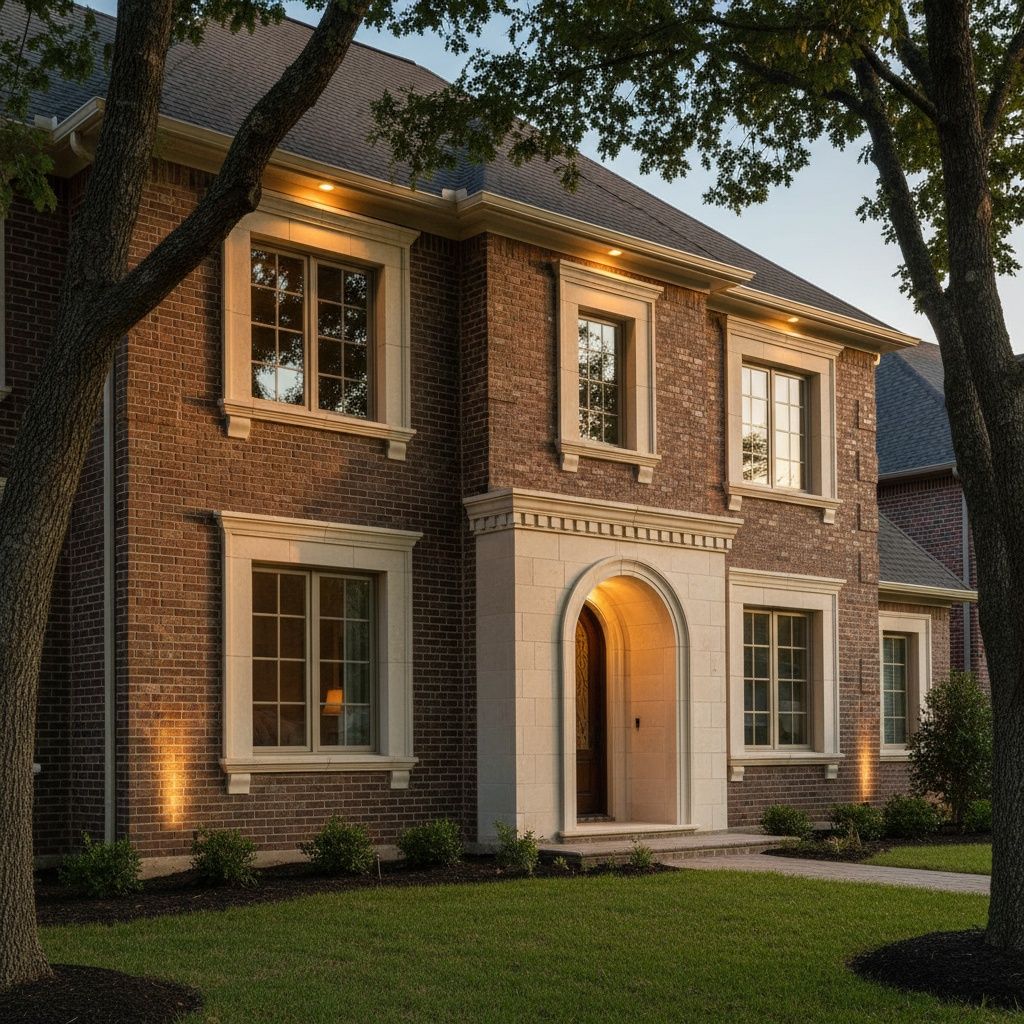
Modern stone brick veneer offers the gravitas of solid stone without the heavy footing requirements. Unlike full-bed stone, which requires a brick ledge, veneer can often be retrofitted onto existing framed walls. Beyond the immediate boost in curb appeal, adding a masonry facade provides an additional layer of thermal mass. This helps regulate indoor temperatures, potentially lowering energy costs, a factor becoming increasingly attractive to eco-conscious buyers.
Expanding Beyond the Siding
Veneer isn't just for covering vinyl siding. It is incredibly versatile for upgrading architectural details.
Consider applying stone veneer to:
- Entryways: Create a grand entrance with stone piers & pillars flanking your front door or driveway.
- Foundations: Cover unsightly exposed concrete foundations with a rich stone texture.
- Accent Walls: Replacing vinyl siding on a gable or street-facing facade with stone brick siding signals high-quality construction and low-maintenance durability.
3. The Lifestyle Asset: Patios and Outdoor Living
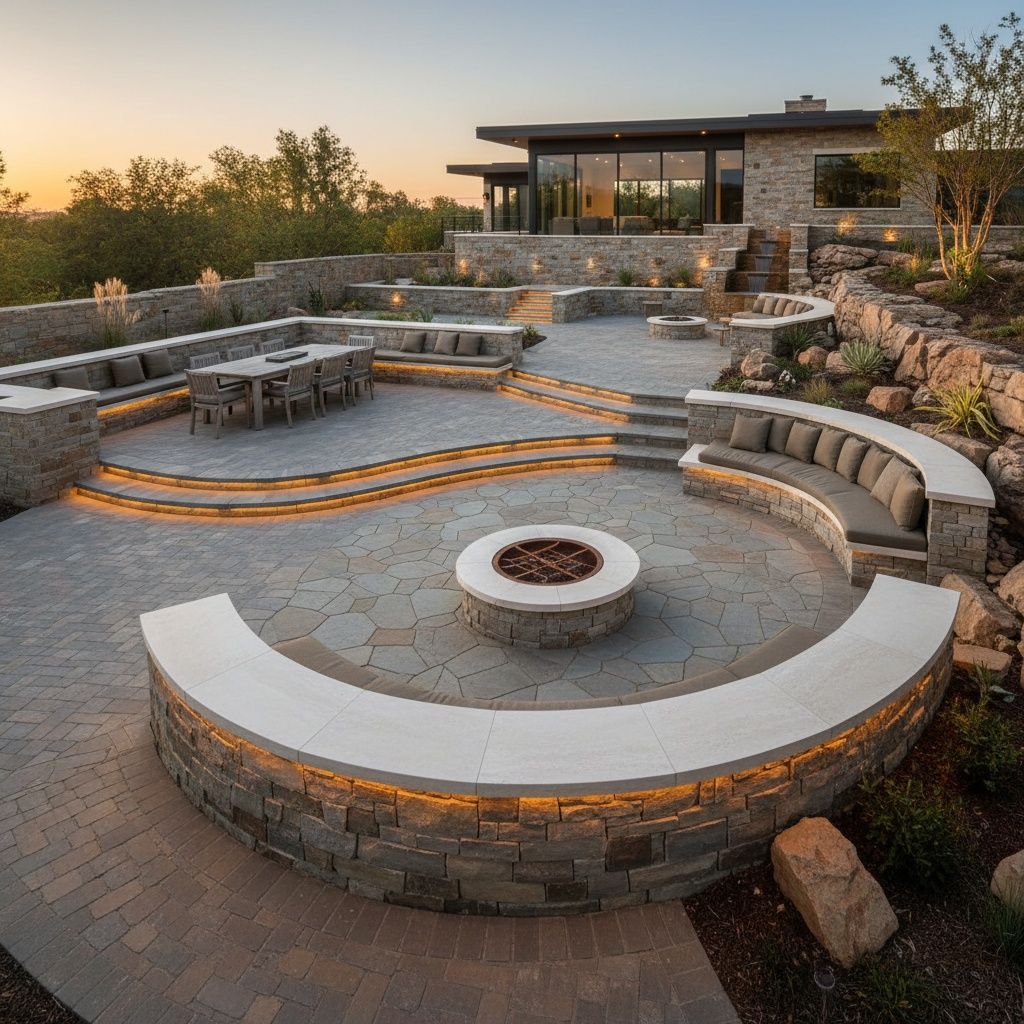
Post-2020, the demand for functional outdoor living spaces has solidified into a standard market expectation rather than a passing trend. A well-designed patio acts as an extension of the home’s square footage, essentially creating an "outdoor room."
Material Selection: Pavers vs. Concrete
When budgeting for a patio, the primary decision is material. A concrete patio is cost-effective and durable, offering a clean, modern look. However, standard concrete can crack over time due to ground settling.
Alternatively, a paver patio offers higher "Emotional ROI" and longevity. Interlocking pavers are flexible systems; if the ground moves, the pavers move with it rather than cracking. If a paver gets damaged, it can be individually replaced. Whether utilizing natural stone or high-grade concrete pavers, a masonry patio defines the backyard structure.
Elevating the Experience with Amenities
To truly maximize the value of your hardscaping in 2026, consider integrating vertical elements. A flat patio is functional, but amenities create a destination:
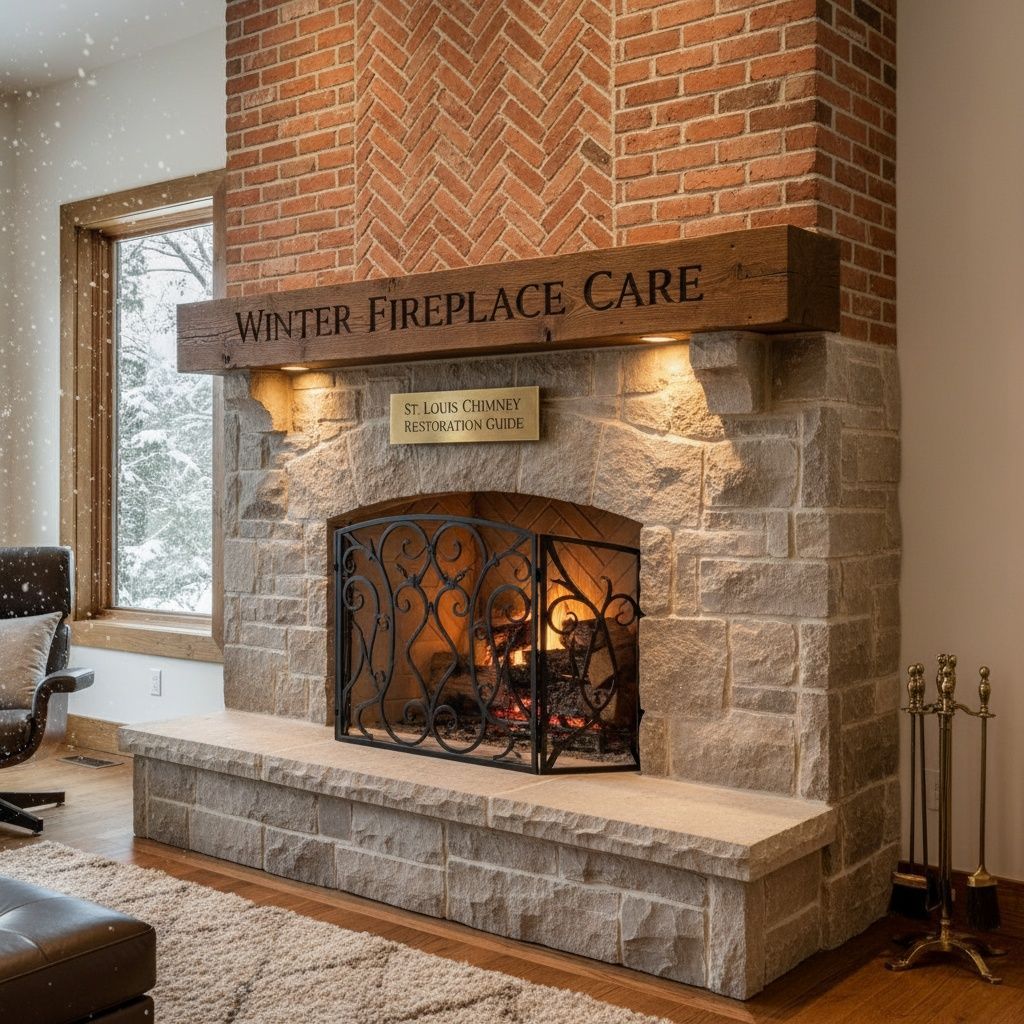
Fire Features: Custom fire pits or grand fireplaces allow you to use your patio late into the autumn and early spring, extending the usable season of your investment.
Culinary Zones: Outdoor kitchens with built-in grills and stone countertops transform a backyard into an entertainment hub.
For homeowners in suburbs like Chesterfield, where lot sizes often accommodate expansive hardscaping, this is a prime capital improvement.
4. Taming the Terrain: Retaining Walls
One often overlooked aspect of masonry budgeting in St. Louis is terrain management. Our region is known for its rolling hills, which often results in sloped backyards that are difficult to mow and impossible to enjoy.
Creating Usable Land
Installing retaining walls provides a two-fold ROI.
First, it solves drainage and erosion issues that can threaten your foundation. Second, it creates flat, usable terraces.
By carving a flat tier out of a hill, you gain square footage for a new patio, garden, or play area. Aesthetically, a tiered garden with stone brick wall finishes adds a sophisticated, European garden feel to the property.
5. First Impressions: Driveways and Walkways
Finally, as you plan your 2026 budget, do not neglect the path to your door. Your driveway can occupy up to 30% of your home's visual frontage. Replacing cracked asphalt with a paver driveway or a stamped concrete driveway drastically alters the perception of the home's value. Connecting the driveway to the front door with a matching paver walkway creates a cohesive, high-end design language.
Structuring Your 2026 Priorities
How do you decide? We recommend a hierarchy of needs approach for your masonry budget:
- Audit the Envelope: Inspect your mortar joints. If a key or screwdriver can scrape out powdered mortar, tuckpointing must be your Q1 priority. You cannot put a new facade on a crumbling foundation.
- Evaluate the Facade: If the structure is sound but the look is dated, allocate funds to stone veneer to maximize appraisal value.
- Expand Living Space: If the house is sound and beautiful, invest in a patio and outdoor kitchen to maximize lifestyle enjoyment.
- Manage the Land: If you have soil erosion or unusable slopes, prioritize retaining walls to protect the property assets.
Expert Tip: The Winter Advantage
While many homeowners wait until spring to call a mason, assessing your masonry needs in December or January is strategic. Winter conditions (when foliage is dead) allow for a clear, unobstructed inspection of foundations and chimneys.
Furthermore, booking your scope of work in early 2026 ensures you beat the "spring rush" and have your projects completed before the prime entertaining season begins. While severe freezes can delay excavation, mild St. Louis winters often allow for hardscaping preparation and masonry work planning.
Frequently Asked Questions
How do I know if my home needs tuckpointing or a full rebuild?
Generally, if the brick faces are intact but the mortar is receding, tuckpointing is the solution. If the wall is bowing or the bricks themselves are crumbling significantly, a rebuild may be necessary. A professional masonry assessment is required to distinguish between the two.
Is stone veneer as durable as natural stone?
High-quality manufactured stone veneer is engineered to be incredibly durable and resistant to fading and chipping. When installed with proper moisture management systems, it can last as long as the structure itself.
Can a paver patio be installed over winter?
While severe freezes can delay excavation, mild St. Louis winters often allow for hardscaping preparation. However, the temperature must be appropriate for setting base materials and joint sand properly. We typically plan these for early spring execution based on late-winter planning.
What is the maintenance difference between concrete and pavers?
Concrete is lower maintenance initially but harder to repair if it cracks. Pavers may require occasional re-sanding or weed control in the joints, but they are practically indestructible and easy to repair section-by-section.
Conclusion
As you allocate your 2026 budget, remember that masonry is an investment in longevity. A patio brings joy, veneer brings beauty, and retaining walls bring utility, but healthy mortar joints ensure your home stands long enough to enjoy them all. Prioritizing the structural health of your home protects your greatest asset against the elements.
Secure Your Home’s Future for 2026
Before you break ground on a new patio or siding project, ensure your home’s existing masonry is sound. Cracks and eroding mortar can silently undermine your property value.
Contact St. Louis Stone & Brick today for a comprehensive tuckpointing consultation or a design session for your new outdoor living space. Let us restore the integrity of your stonework so you can build for the future with confidence.
St. Louis Stone & Brick: Your Guide to Timeless Materials