Is Your Fireplace Ready for Winter? Why St. Louis Stone and Brick Chimney Restoration is a Cold Weather Must
St. Louis Stone & Brick • November 28, 2025
As the final leaves of autumn fall and the crisp air of November settles over Missouri, homeowners begin to anticipate the comfort of a crackling fire. However, before you strike that first match this season, it is imperative to ask: is your hearth truly ready? At St. Louis Stone & Brick, We understand that a fireplace is more than a source of heat; it is the architectural heart of the home. Unfortunately, without proper maintenance, it can also become a structural liability. Whether you possess a historic masonry heater or one of our custom-designed fireplaces, prioritizing chimney restoration is essential before the deep freeze of winter takes hold.
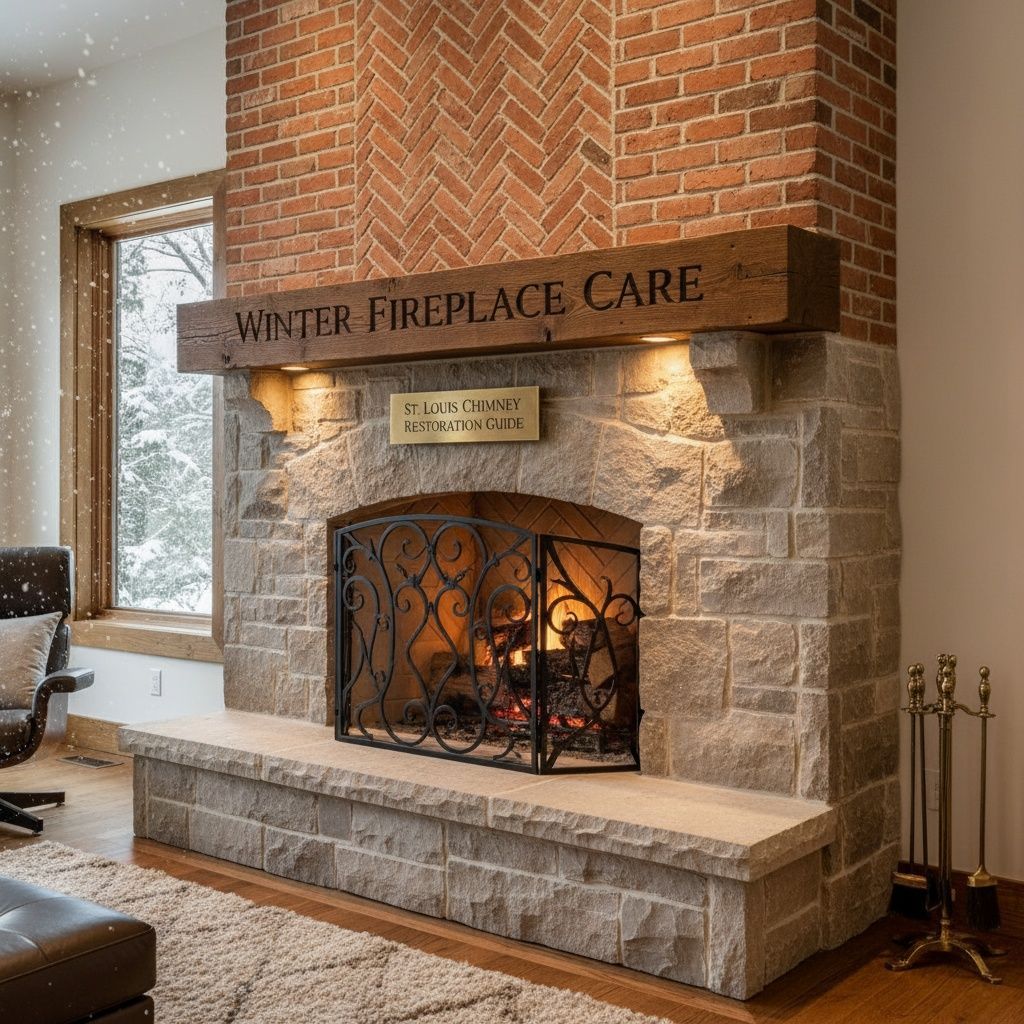
The Science of the Freeze-Thaw Cycle: A Masonry Nemesis
St. Louis winters are characterized by a fluctuating climate that is particularly harsh on masonry. We experience wet, heavy snows followed by rapid thaws, and then sudden drops back below freezing. This phenomenon is known as the freeze-thaw cycle, and it is the primary adversary of brick and stone.
Porous materials, particularly the aging brick found in many historic homes in St. Louis and University City, Absorb moisture from rain and snow. When the temperature drops, that trapped water freezes and expands by approximately 9%. This expansion exerts tremendous internal pressure on the masonry unit. Over time, this repetitive stress causes the face of the brick to pop off (a process called spalling) and the mortar joints to crumble.
When a chimney is neglected, this damage accelerates. A compromised chimney cap or cracked crown allows water to pour directly into the masonry structure, effectively freezing the chimney from the inside out. This does not merely ruin the aesthetic appeal; it compromises the structural stability of the entire stack.
Tuckpointing: Preserving Structural Integrity
One of the most effective defenses against winter damage is professional tuckpointing. Many homeowners mistake tuckpointing for a simple cosmetic touch-up, but it is, in fact, a critical part of the chimney restoration process.
Tuckpointing involves the careful removal of deteriorated mortar to a specific depth, followed by the installation of fresh, high-quality mortar that matches the original masonry in both color and composition. This is not a job for the average handyman. Using a mortar that is too hard (such as modern Portland cement on historic soft brick) can actually cause the bricks to crack under thermal expansion.
At St. Louis Stone & Brick, we utilize techniques rooted in Old World craftsmanship. We understand that the mortar must act as the sacrificial element of the wall system, it should absorb the stress so the stone or brick does not. By restoring these joints before winter, we create a waterproof seal that prevents moisture ingress, shielding your home from the destructive freeze-thaw cycle.
The Danger of Creosote and Flue Obstructions
Beyond the external brickwork, the internal health of your chimney is paramount for safety. During the burning of wood, a substance called creosote is produced. This black, tar-like residue accumulates on the interior of the chimney flue. Creosote is highly combustible and is the leading cause of chimney fires.
In colder weather, the chimney draws differently. If there are cracks in the flue liner or significant masonry damage, the heat from a chimney fire can transfer to the combustible wood framing of your home. Furthermore, obstructions such as bird nests or accumulated debris can block the escape of toxic gases, including carbon monoxide, forcing them back into your living space.
While our primary focus is on the structural restoration of masonry work, we strongly advocate that structural repairs be paired with professional cleaning. A restored chimney is a safe chimney.
Restoring Aesthetics: European Elegance for the Holidays
The fireplace is often the focal point of holiday gatherings. A chimney that is stained with soot, missing mortar, or displaying spalling bricks detracts from the elegance of your interior and exterior design. This is particularly relevant for homes in upscale neighborhoods like Ladue and Clayton, where architectural detail is highly valued.
Chimney restoration is not just about repair; it is about revitalization. If your current facade is outdated, winter preparation is the perfect time to consider a facelift with stone brick veneer. European-style stonework can transform a tired red-brick fireplace into a majestic stone hearth reminiscent of a French country estate or an Italian villa. By addressing the exterior chimney masonry, we ensure that the new interior aesthetics are protected from water damage, preserving your investment for decades to come.
Signs Your Chimney Needs Immediate Attention
How do you know if your home requires chimney restoration before the snow falls? Look for these red flags:
- Efflorescence: A white, powdery stain on the brickwork. This indicates that water is moving through the masonry and bringing salts to the surface.
- Spalling Bricks: Bits of masonry found on the ground around the chimney or in the firebox.
- Rusted Damper or Firebox: Rust signifies excess moisture is penetrating the system.
- Cracked Chimney Crown: The concrete cap at the very top of the stack is the first line of defense. If this is cracked, water has a direct path into the flue.
- Deteriorated Mortar Joints: If you can scrape the mortar out with a key or screwdriver, the joint has failed.
Why Choose St. Louis Stone & Brick?
In a market flooded with quick-fix contractors, St. Louis Stone & Brick stands apart through our dedication to heritage and quality. Our approach to chimney restoration and masonry work combines modern engineering standards with the artistry of European traditions.
We do not simply patch cracks; we analyze the root cause of the failure. Whether it involves rebuilding a stone brick wall or intricately tuckpointing a Victorian-era chimney, we treat every project as a piece of art. Our portfolio demonstrates a commitment to durability that withstands the rigorous Midwest climate.
Expert Tip: The Water Test
Is your masonry waterproof? To check the porosity of your chimney bricks during a dry spell, splash a small amount of water onto the bricks. If the water beads up and rolls off, your masonry is likely sealed and healthy. If the water darkens the brick and is absorbed immediately, your chimney is acting like a sponge. This is a clear signal that you need to consult a professional for waterproofing or restoration before the temperatures drop below freezing.
Frequently Asked Questions
Can masonry and tuckpointing work be performed during the winter months?
Ideally, major chimney restoration is best performed when temperatures are consistently above 40°F. However, with proper tenting and heating equipment, emergency repairs and tuckpointing can be managed during colder months to prevent further damage. We assess weather conditions daily to ensure the chemical bond of the mortar is never compromised.
How often should I have my chimney inspected in St. Louis?
We recommend an annual inspection, preferably in late summer or early autumn. Given the severity of St. Louis weather patterns, small cracks can become major structural failures in just one winter season.
What is the difference between chimney pointing and rebuilding?
Pointing (or tuckpointing) repairs the mortar joints while leaving the bricks in place. It is a maintenance procedure. Rebuilding is required when the bricks themselves have spalled or the chimney leans, indicating deep structural failure. We always aim to restore, but we will never recommend a patch on a structure that requires rebuilding for safety.
Do you serve areas outside of St. Louis city limits?
Yes, we provide our restoration services throughout the greater metropolitan area, including Chesterfield, Ballwin, and Richmond Heights.
Conclusion
Your fireplace should be a source of warmth and nostalgia, not a cause for anxiety. The harsh reality of a St. Louis winter means that minor masonry issues can escalate rapidly if left unchecked. By investing in professional chimney restoration and tuckpointing now, you are safeguarding the structural integrity of your home and ensuring that your holiday season is picturesque and safe.
Don't wait for the first heavy snow to reveal the weaknesses in your chimney.
Secure your home for the winter season with the help of St. Louis's premier masonry artisans. Whether you require urgent chimney restoration or a complete aesthetic upgrade, our team brings European precision to every project.
Contact St. Louis Stone & Brick today to schedule your comprehensive evaluation.
St. Louis Stone & Brick: Your Guide to Timeless Materials