Beyond Red Brick: Choosing the Right Mortar Color to Match the Classic St. Louis Look
St. Louis Stone & Brick • November 5, 2025
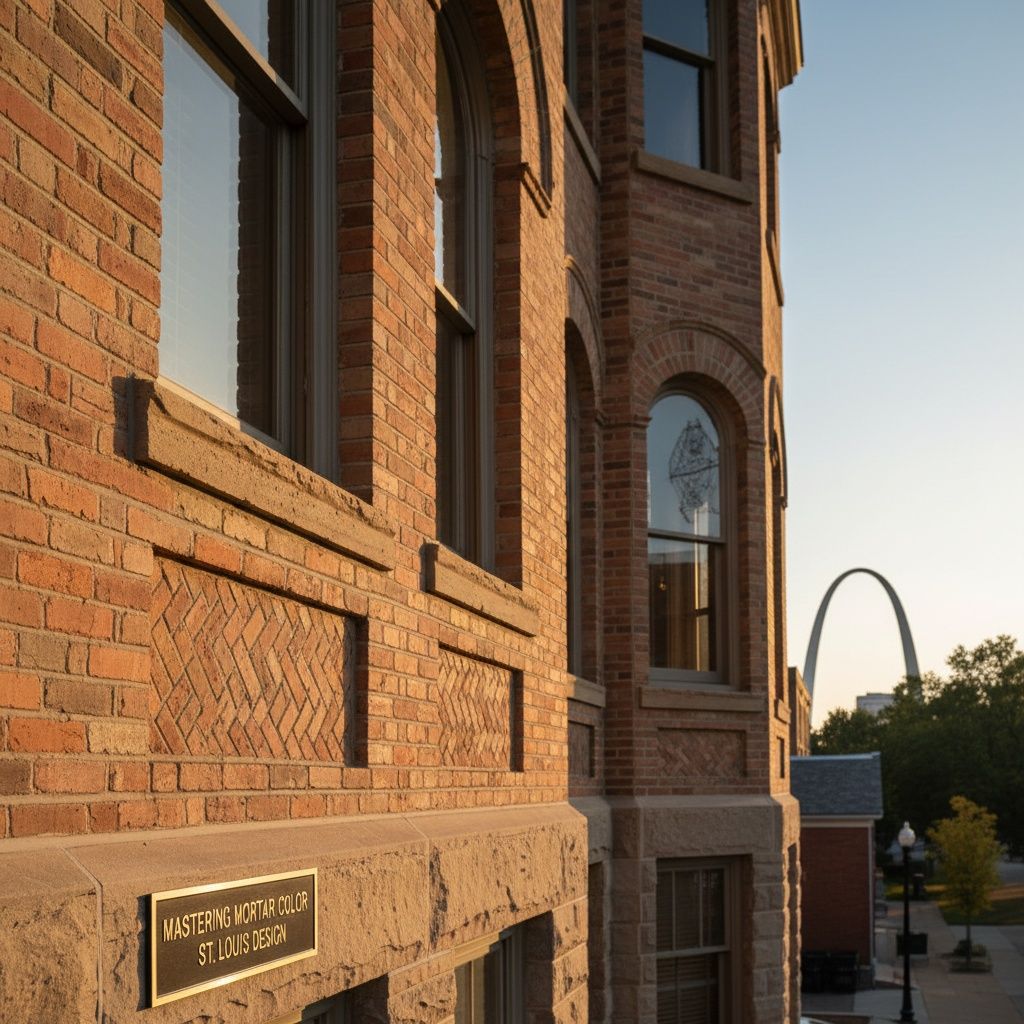
The Architecture of the Joint: More Than Just a Binder
In the diverse architectural landscape of the Midwest, the primary focus of any façade design naturally gravitates toward the masonry unit itself, the brick or stone. However, seasoned architects and designers understand that the mortar joint constitutes approximately 20% of the total wall surface area. This significant percentage means that mortar color is not merely a technical necessity; it is a critical design element that can dramatically alter the aesthetic trajectory of a project. At St. Louis Stone & Brick, we believe that mastering the interaction between masonry units and mortar color is essential for elevating standard masonry work into enduring architectural art.
The Optical Mixing Effect
From a distance, the human eye blends the color of the brick or stone with the color of the mortar, a phenomenon known as optical mixing. This effect can either unify a façade, creating a monolithic appearance, or articulate the individual units to highlight texture and pattern.
Harmonious vs. Contrasting Palettes
When specifying materials for a new build or a renovation, the choice of mortar influences the perceived tone of the entire structure:
Matching Tones:
Selecting a mortar that closely matches the brick color (e.g., red mortar with red brick) reduces the visual noise of the joints. This is often used in modern, minimalist designs where texture takes precedence over pattern.
High Contrast:
A stark white or light gray mortar against dark brick amplifies the bond pattern (such as Flemish or English bond). This is a hallmark of many historic homes in University City and the Central West End, where the articulation of the brickwork is a status symbol.
Neutral Gray:
The classic "St. Louis" look often relies on a standard gray cement. However, even "gray" has nuances ranging from cool blue-grays to warm buff-grays depending on the sand aggregate used.
Technical Compatibility: Type N vs. Type S
While aesthetics are paramount, the structural integrity of the mortar mix must align with the material it binds. For architects working with historic properties or softer stone, understanding the compressive strength is non-negotiable.
The Importance of Hardness
Type N Mortar:
Generally recommended for exterior, above-grade walls and soft stone masonry. It has a medium compressive strength and high flexibility, which allows for the thermal expansion and contraction common in Missouri weather without cracking the masonry unit.
Type S Mortar:
High tensile bond strength, typically reserved for below-grade applications, retaining walls, or structural masonry.
Using a mortar that is too hard (like a high-strength Portland cement mix) on softer, historic brick can cause the brick faces to spall during freeze-thaw cycles. When we perform tuckpointing in historic districts, matching the original lime content is just as crucial as matching the color.
Regional Specificity: The St. Louis Aesthetic
St. Louis possesses a rich masonry heritage that rivals nearly any city in the United States. The local clay deposits produced a distinct red brick that defines our vernacular architecture. However, as styles evolve towards European style stonework, the mortar selection becomes even more complex.
Neighborhood Nuances
Clayton & Ladue:
In these areas, we often see a shift toward limestone and buff brick. Here, the mortar tends to lean toward warm beige or ivory tones to complement the natural stone variegation. A stark gray mortar here can often look cold and industrial against the warm, earthy palette favored in Clayton.
Historic Urban Core:
For restoration projects, the goal is often finding a "dirty" white or aged gray. New, bright white mortar can look glaringly artificial on a century-old home. We often utilize custom sand blends to replicate the aged patina of the original joints.
Joint Profiles and Shadow Lines
The color of the mortar is inextricably linked to the joint profile and the shape of the mortar between the bricks. The way light hits the joint creates shadows that affect color perception.
1. Concave Joint:
The most common and weather-resistant. It compacts the mortar, providing a slight shadow that adds depth.
2. Flush Joint:
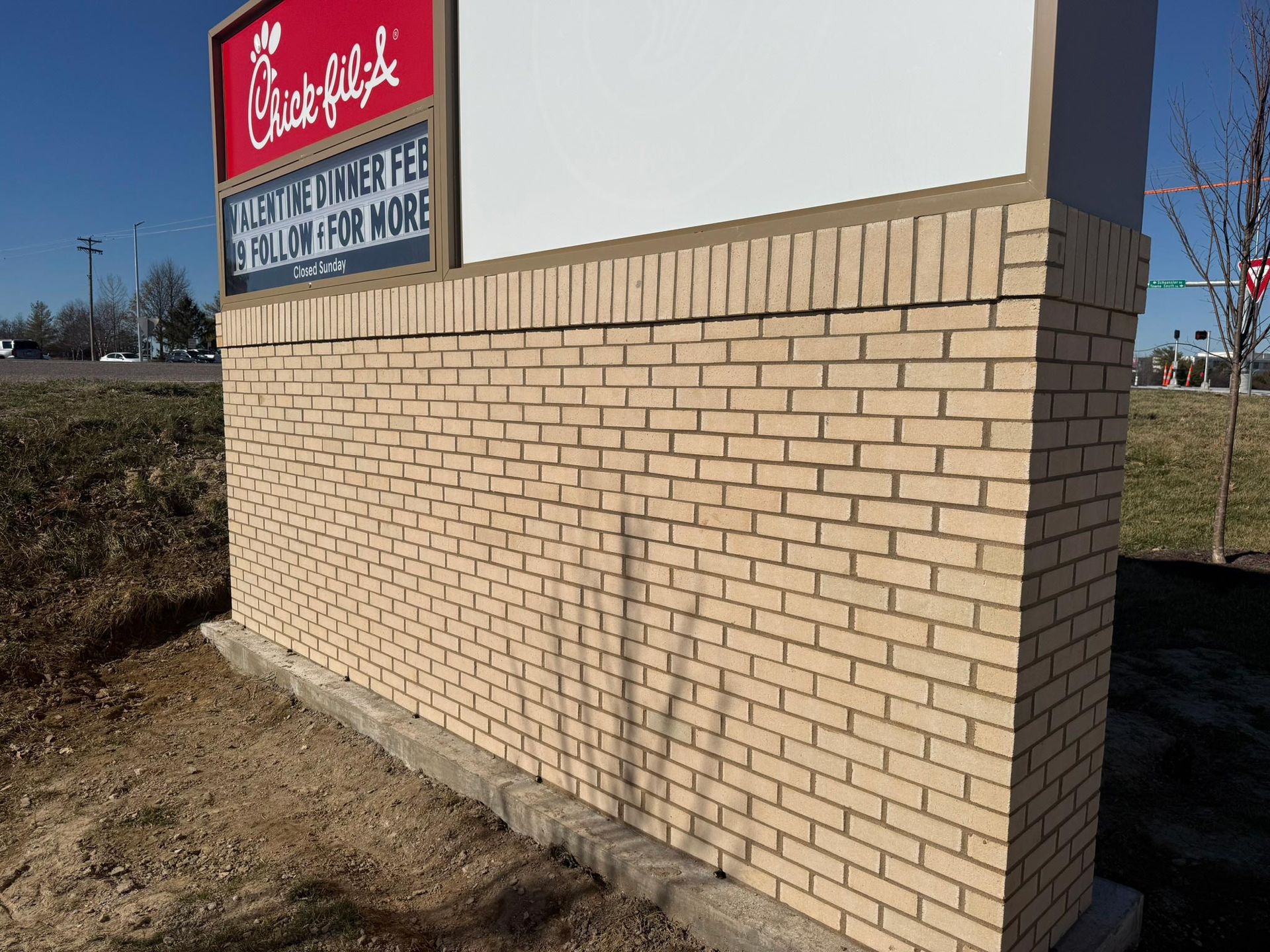
The mortar is level with the brick face. This increases the visual impact of the mortar color and is often used with stone brick veneer to create a rustic, "rubble" appearance.
3. Raked Joint:
The mortar is recessed, creating deep shadow lines. This darkens the perceived color of the joints and emphasizes the horizontal linearity of the architecture.
Expert Tip: The Mock-Up Panel
Never rely solely on a printed color chart or a dry powder sample.
Mortar color changes significantly as it cures. The water content, the tooling time, and the specific sand aggregate used on the job site all influence the final hue. We strongly recommend commissioning a field mock-up panel (minimum 4' x 4') using the exact bricks and masonry services crew that will perform the final installation. Allow the mock-up to cure for at least 7 days to evaluate the true color range against the building's specific sun exposure.
Frequently Asked Questions
Can we change the color of the mortar after it has been installed?
While it is technically possible to stain mortar, it is a labor-intensive process that can yield inconsistent results. The only permanent solution to correct the color is repointing (grinding out the old mortar and installing new), which is costly. This underscores the importance of getting the selection right during the design phase.
How does the sand selection affect the final mortar color?
Sand makes up the majority of the mortar mix volume. Local river sand might result in a darker, more tan finish, while silica sand offers a cleaner, whiter base. When aiming for a specific custom color, the sand source is just as important as the pigment.
Should I use pre-mixed colored mortar or mix on-site?
For large commercial or high-end residential projects, factory pre-mixed colored cements ensure consistency from batch to batch. On-site mixing requires a highly skilled mason to measure pigments precisely every time, introducing a higher margin for error.
Conclusion: The Details Define the Design
In high-caliber architectural design, the mortar is the canvas upon which the masonry creates its masterpiece. Whether you are designing a contemporary outdoor living space in Chesterfield or restoring a classic estate, the subtlety of the joint color allows the craftsmanship to shine. At St. Louis Stone & Brick, we bring Old World craftsmanship and modern technical expertise to ensure every detail supports your vision.
Ready to elevate your next architectural project?
Contact St. Louis Stone & Brick today for a professional consultation. Let us help you select the perfect materials to match the classic St. Louis looks or define a new standard of elegance.
St. Louis Stone & Brick: Your Guide to Timeless Materials