The Soul of St. Louis Brick: Why Tuckpointing is an Investment in Your Home’s Historic Value
St. Louis Stone & Brick • October 28, 2025
To walk through the streets of St. Louis is to walk through a museum of architectural resilience. From the Victorian grandeur of Lafayette Square to the distinct red-brick charm of Soulard and Tower Grove, Our city is defined by its masonry. St. Louis is often cited as having one of the largest collections of 19th-century brick architecture in the United States, utilizing the rich clay deposits that once sat beneath our feet to build the "Red Brick City."
However, for homeowners in these historic districts, owning a piece of history comes with a stewardship responsibility. The brick itself is incredibly durable, often lasting centuries. The weak link in the chain is the mortar. Over time, the bond between bricks degrades, threatening both the structural integrity and the aesthetic soul of the property. This is where the technical art of tuckpointing transitions from a renovation task to a critical investment.
In this comprehensive guide, we will analyze the technical necessity of tuckpointing, the specific challenges posed by St. Louis weather patterns, and why correct material selection is paramount for preserving your home’s historic value.
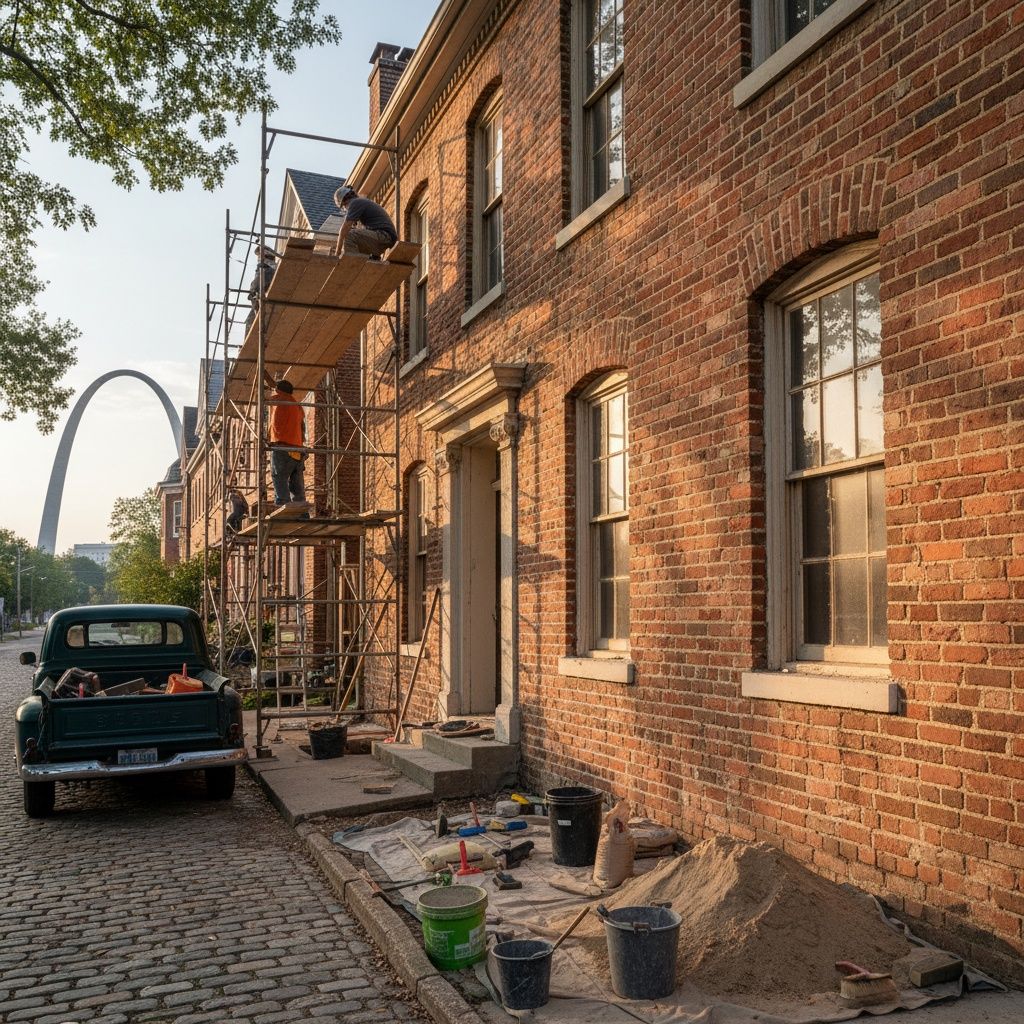
The Anatomy of Decay: Why Mortar Fails in St. Louis
To understand the value of tuckpointing, one must first understand the enemy: water and temperature. The Midwest climate is notoriously volatile. In St. Louis, we experience significant freeze-thaw cycles throughout the winter and spring.
The Freeze-Thaw Mechanic
When mortar joints crack or erode, moisture from rain, snow, and humidity infiltrates the wall assembly. As temperatures drop below freezing, that trapped water expands by approximately 9%. This expansion exerts tremendous hydraulic pressure on the surrounding masonry.
If the mortar is too hard (impermeable) or already compromised, the pressure seeks the path of least resistance: the brick face itself. This leads to spalling, a condition where the face of the brick pops off, exposing the softer, porous inner clay to the elements. Once spalling begins, the deterioration rate of the wall accelerates exponentially.
Professional masonry work acts as the first line of defense, ensuring that the mortar joints effectively shed water rather than absorbing it.
Tuckpointing vs. Repointing: A Technical Distinction
In the construction industry, the terms "tuckpointing" and "repointing" are often used interchangeably by laymen, but they refer to distinct processes. Understanding the difference is vital when commissioning work for a historic property.
Repointing
True tuckpointing is an aesthetic enhancement added to the repointing process, which was highly popular in the late 19th and early 20th centuries in St. Louis. It involves using two contrasting colors of mortar.
1. The Base Mortar:
A mortar closely matching the color of the brick is used to fill the joint. This essentially hides the jagged edges of handmade or irregular bricks.
2. The Fillet (Tuck):
A thin, precise line of lime putty (usually white or black) is applied down the center of the joint.
This technique creates the optical illusion of perfectly straight, narrow joints, giving the façade a crisp, refined appearance that mimics high-end rubbed brickwork. For homes in Lafayette Square or University City, restoring this specific historic look significantly boosts curb appeal and adherence to architectural heritage.
The Material Science: Lime vs. Portland Cement
Perhaps the most critical error made by inexperienced contractors working on pre-1930s homes is the incorrect selection of mortar.
Historic St. Louis brick is "soft." It was fired at lower temperatures than modern brick. The mortar used during that era was lime-based, a softer, more flexible material that allows for slight movements in the building and allows moisture to evaporate (breathe) out through the joints. Modern construction typically utilizes Portland cement, which is incredibly hard and impermeable.
Why this matters:
If a hard Portland cement mortar is used to point soft historic brick, the mortar will be stronger than the masonry units. When the building shifts naturally or undergoes thermal expansion, the stress will not be absorbed by the mortar (as it should be); instead, it will transfer to the brick, causing the brick to crack and crumble.
At St. Louis Stone & Brick, we emphasize Old World Craftsmanship, ensuring that the compressive strength of the new mortar is always slightly less than that of the surrounding brick or stone. This sacrificial nature of the mortar is exactly what protects the longevity of the wall.
The Restoration Process: What Homeowners Should Expect
A proper tuckpointing project is labor-intensive and requires a skilled hand. It is not merely a cosmetic patch job; it is a structural surgery.
1. Assessment and Sounding:
Before a single tool is lifted, the wall must be assessed. Masons will often "sound" the wall by tapping it; a hollow sound can indicate that the brick has delaminated from the backup wythes, requiring more extensive repairs than just pointing.
2. Joint Preparation:
Old mortar must be removed carefully. Using heavy impact hammers can damage the brick edges (arises). Skilled masons often use grinders with vacuum attachments or traditional hand chisels for delicate areas, ensuring the groove is square and clean to accept the new bond.
3. Color and Texture Matching:
There is no universal "historic mortar" color. St. Louis homes vary from deep reds to browns and tans. We analyze the aggregate and pigment of the original mortar to create a custom blend that integrates seamlessly with the existing structure. This attention to detail is what separates a noticeable patch job from a restoration.
4. Application and Curing:
The mortar is packed in layers to prevent shrinkage cracks. Once applied, it must be toled to the correct profile (concave, V-joint, or tuck). Proper curing is essential; if the mortar dries too quickly in the hot St. Louis summer, it becomes brittle.
Investment Value: Beyond Cosmetics
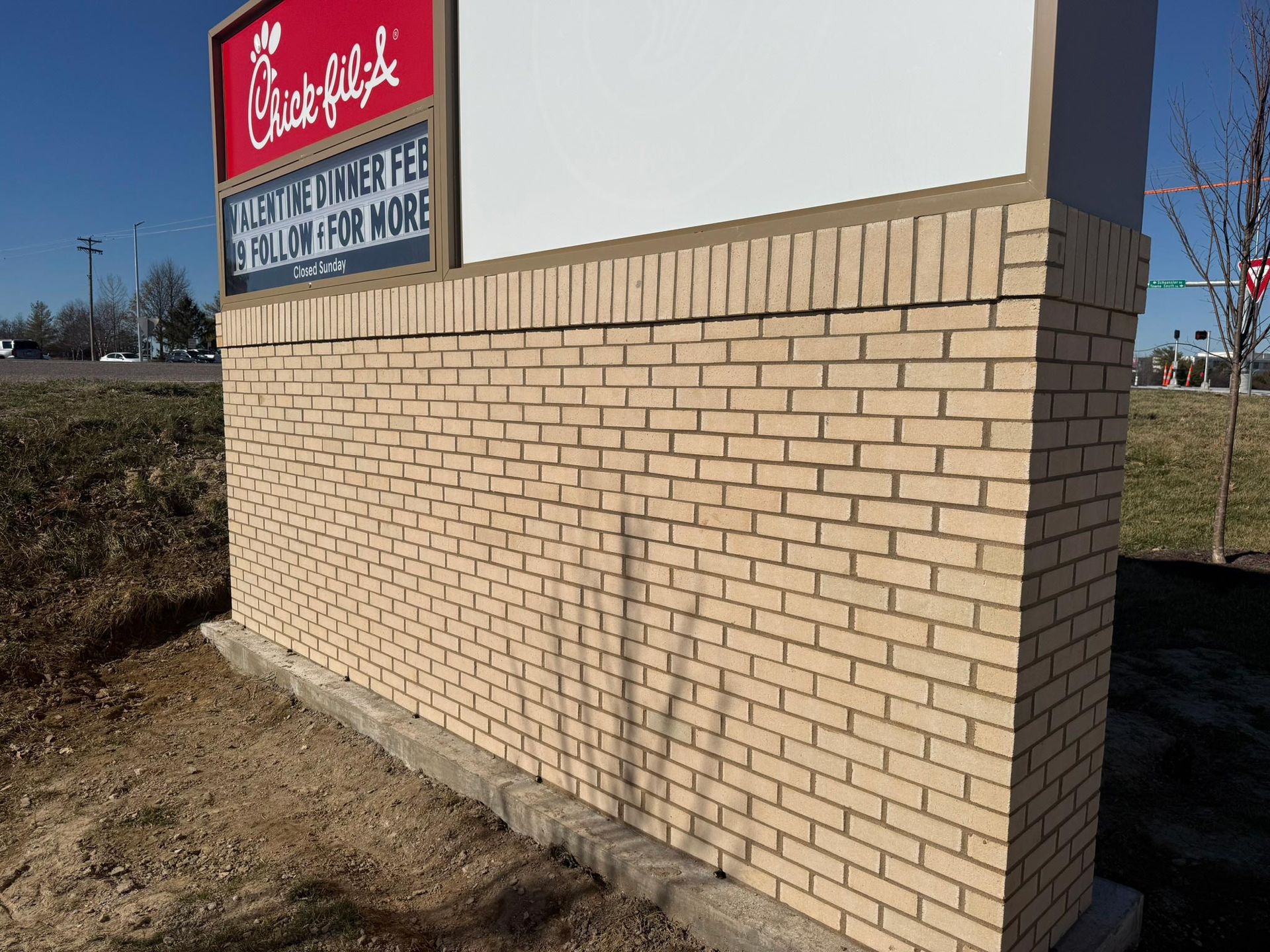
While a new stone brick wall or veneer offers immediate beauty, tuckpointing offers return on investment (ROI) through preservation.
Energy Efficiency:
Gaps in masonry allow air infiltration. Sealing these gaps helps regulate indoor temperatures, easing the load on HVAC systems.
Water Damage Prevention:
Preventing water ingress saves thousands of dollars in potential rot repair to framing, drywall, and flooring behind the brick.
Resale Value:
In the competitive St. Louis real estate market, a historic home with pristine, historically accurate masonry commands a premium. It signals to buyers that the home has been loved and maintained.
The Role of Hardscaping in Historic Contexts
While the façade is the face of the home, the surrounding environment completes the picture. Many historic homes in areas like Webster Groves and Clayton are now complementing their restored brickwork with period-appropriate hardscaping.
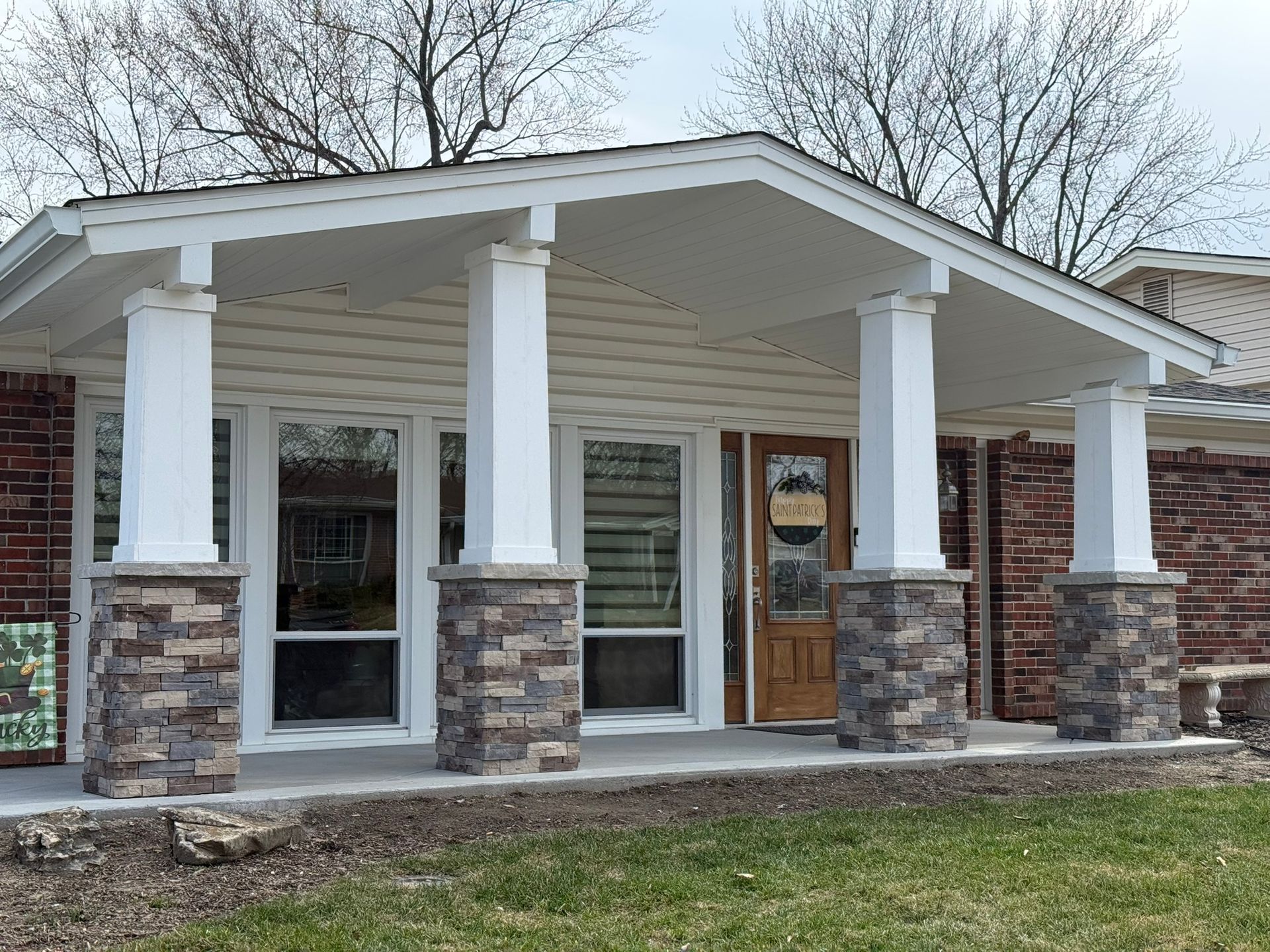
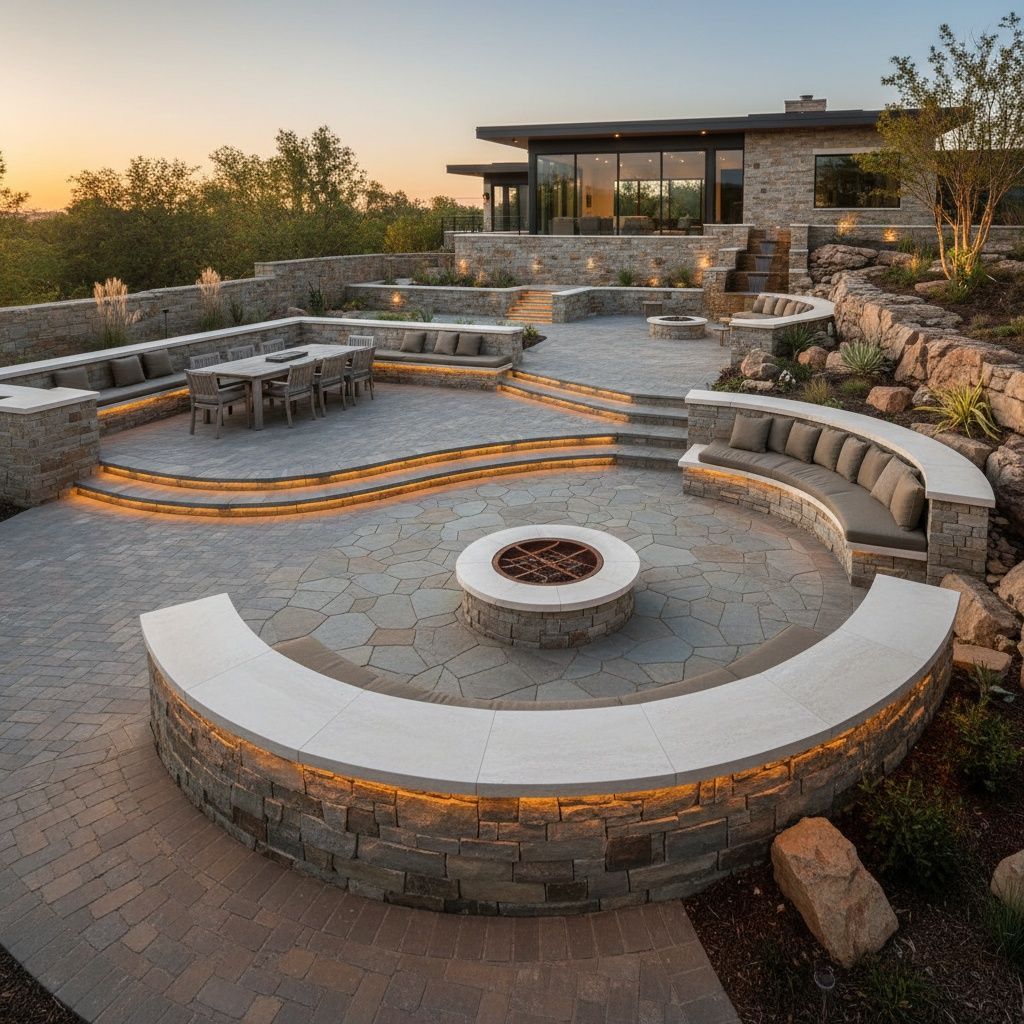
Integrating paver walkways, paver patios, or retaining walls that utilize reclaimed brick or natural stone creates a cohesive aesthetic that honors the property's origins. Adding features like majestic stone piers & pillars or revitalizing a classic porch further anchors the home in its history. Even modern amenities like outdoor kitchens and fireplaces can be designed with masonry veneers that match the historic tuckpointing of the main house, bridging the gap between 19th-century architecture and 21st-century living.
Expert Tip: The "Key" Test
How can you tell if your home needs tuckpointing? Take a standard car key or a small screwdriver and run it across the mortar joints of your home.
Good Condition:
The tool should glide over the surface without scratching it deeply or dislodging material.
Needs Attention:
If scratching the joint releases a shower of sand or powdery dust, or if the key digs in easily, the binder in the mortar has failed.
Urgent:
If you see visible cracks, missing chunks, or if the brick faces are starting to flake, call a professional immediately.
Frequently Asked Questions (FAQ)
How often does a home need tuckpointing?
A well-executed tuckpointing job using high-quality materials should last between 25 to 30 years. However, high-exposure areas (chimneys and parapet walls) may require maintenance sooner due to harsher weather impact.
Can I tuckpoint my own home?
While DIY is popular, tuckpointing requires a specific understanding of mortar composition. Using the wrong mix (like hardware store pre-mix concrete) can permanently damage historic brick. It is highly recommended to rely on specialists who understand the history of masonry in St. Louis.
Can you tuckpoint in the winter?
Masonry work is temperature-sensitive. Ideally, temperatures need to be consistently above 40°F for the mortar to cure properly. While tenting and heating options exist for urgent repairs, spring and autumn are the ideal seasons for this work in St. Louis.
Does tuckpointing fix dampness inside the house?
Often, yes. If the source of the dampness is wind-driven rain penetrating compromised joints, tuckpointing will solve the issue. However, we always recommend a full assessment to rule out rising damp or roof issues.
Conclusion
Your home is more than a structure; it is a chapter in the story of St. Louis. Preserving the masonry of our city’s historic neighborhoods is not just about maintenance, it is about honoring the craftsmanship of the past while securing the value of your future. Whether you reside in a Soulard row house or a Clayton estate, proper tuckpointing is the most effective way to ensure your red brick legacy endures for another century.
Ready to restore the integrity and beauty of your historic home?
At St. Louis Stone & Brick, we combine old-world European craftsmanship with modern precision.
Don't let another freeze-thaw cycle compromise your investment.
Contact St. Louis Stone & Brick today for a consultation and let us help you preserve the soul of your home.
St. Louis Stone & Brick: Your Guide to Timeless Materials